
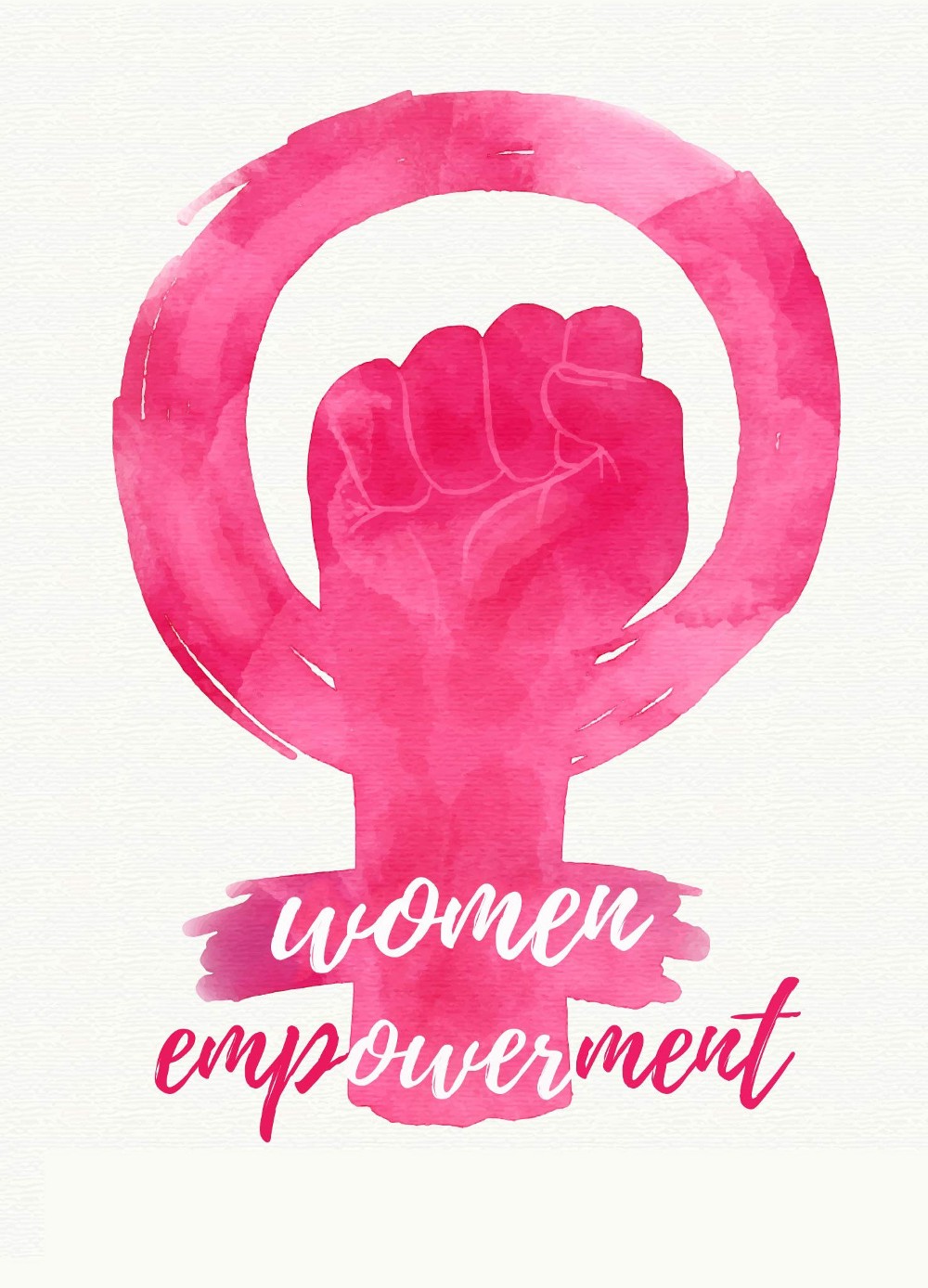
Women empowerment in the 21st century refers to enabling women to have equal rights, opportunities, and freedom to participate fully in social, economic, political, and cultural life. It is about giving women the power to make their own decisions and live with dignity and confidence.
In recent decades, significant progress has been made. More girls are attending schools and universities than ever before. Women are excelling in fields such as science, technology, medicine, sports, business, and politics. Many countries now have women leaders, entrepreneurs, and change-makers who inspire future generations. Laws supporting gender equality, education for girls, and workplace rights have also strengthened women’s position in society.
Despite this progress, challenges still remain. Gender discrimination, unequal pay, limited access to education in some regions, domestic violence, and social stereotypes continue to affect many women. In some parts of the world, traditions and poverty still prevent girls from achieving their full potential. Digital inequality and lack of representation in leadership roles are also modern challenges.
Education plays a key role in women empowerment. An educated woman not only improves her own life but also uplifts her family and community. Economic independence, access to healthcare, and awareness of legal rights further strengthen women’s empowerment. Men and boys also play an important role by supporting equality and challenging outdated mindsets.
In conclusion, women empowerment in the 21st century is essential for sustainable development and a just society. When women are empowered, societies grow stronger, more innovative, and more peaceful. True progress can only be achieved when men and women work together as equals.


